Featured

Pediatric Hyperopia – Occlusion or Holistic Vision Therapy

If you are the parent of a young child, your child may have gotten a routine eye exam test at their family doctor’s visit. 

Eye exams are routine and they have been occurring for decades. The exam is used to screen for vision abnormalities and impairments. Certain vision impairments such as ambliopia or hyperopia can be detected if the routine test is failed. These conditions are similar, but different. If you have ambliopia, you most likely have hyperopia, but if you have hyperopia, you may not have ambliopia. Ambliopia, or lazy eye, is when one of the eyes lacks the responsiveness of the strong eye, which is classified as a convergence problem (the ability for both eyes to focus on a given target). 

Hyperopia is when one or both eyes are far sighted due to a slight deformation of one or both eyes, ie slightly obloid (ovalish) instead of spheroid. 

An intense case of hyperopia may result in a case of ambliopia, so the terms frequently become confused or interchanged. 

The majority of ambliopia cases develop in children under the age of 6. If your child is 6 or older, it is likely that they will not develop ambliopia later in life. 

My son has a case of severe hyperopia, which has been causing concern in his optometrist that he may develop ambliopia if his ambliopia is not treated. She insists that he needs the conventional hyperopia treatments.

The conventional ambliopia treatments are the most commonly prescribed treatments; prescription glasses and routine eye patching of the good eye. 

The general objective of these methods is to impair the vision of the good eye in such a way as to “force” the weak eye to strengthen. 

I have found these methodologies to be short sighted, negligent, and even dangerous. 
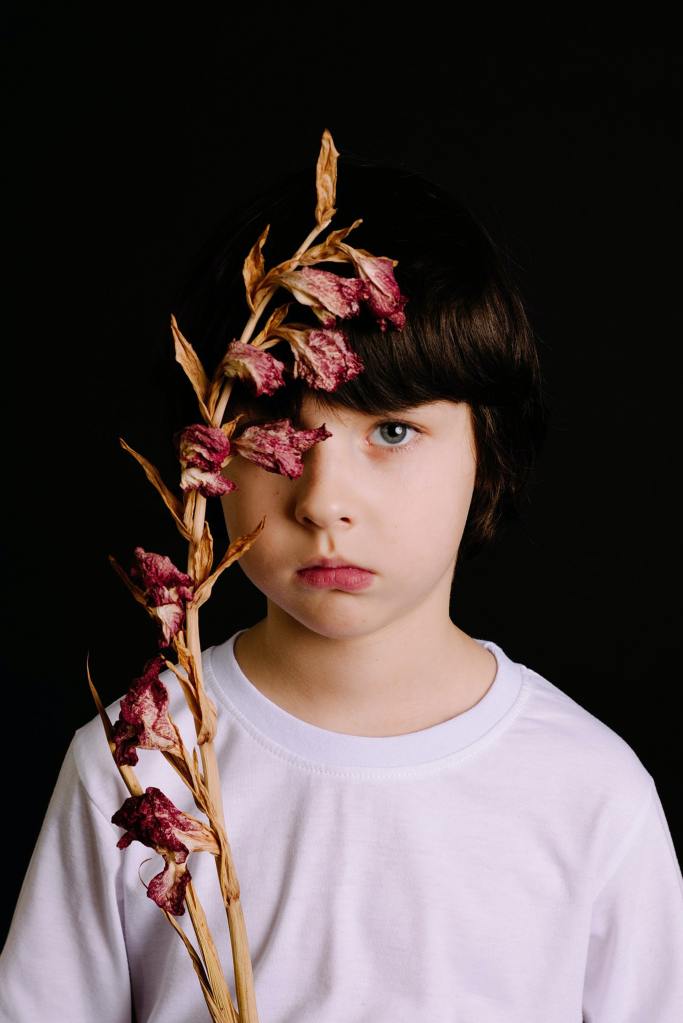
“Punishing” a child’s stronger eye can severely impact their self confidence and negatively impact their psychology.

The glasses and patch have a devastation impact on my son’s self confidence and impair his hand-eye coordination. Since he has begun treatment I have witness him squinting in strain and frequently tripping and falling. He has also grown more reserved and withdrawn, not his usual buoyant self.

His ophthalmologist has insisted that his hyperopia is so extreme that prescription glasses and patching are the only way to treat his predicted ambliopia, but I know that there is a better, more ethical and engaging way to treat his condition. 

Dr. Frederick Brock, a Swedish optometrist invented a device called the Brock String. The Brock String is a seemingly rudimentary device that consists of colored beads and a string. The application is just as simple as it appears. First, the beads are spaced out on the string, and then the end of the string is held up to the patient’s nose. With the string stretched out in front of them, the patient fixes his or her vision on one bead at a time. Focusing the vision on each bead at different distances from the face is a conscious practice to strengthen the convergence of both eyes. The exercise can be performed for 5-10 minutes, preventing eye strain, and repeated a couple to a few times a day. 
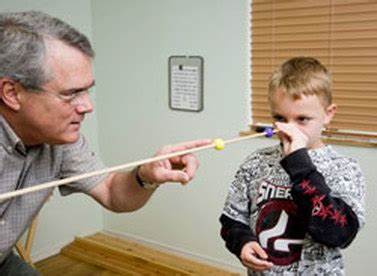
Photograph from https://www.drhenshaw.net/what-is-vision-therapy.html

The benefits of this method are ample. The Brock string is easy to replicate and cheap to reproduce. String and colored beads are universally available. 

This method is considerably cheaper than prescription glasses and less stressful for children. Children enjoy the engagement that comes from the exercise with an adult and it can be like a fun game for them. 
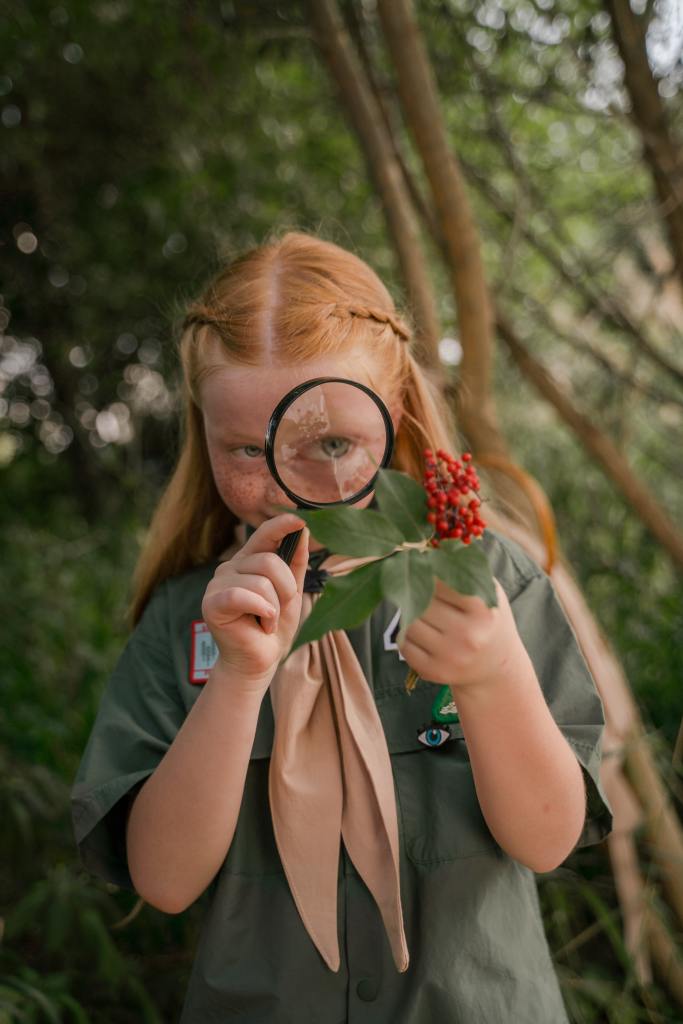
Give your child the opportunity to strengthen both eyes with an engaging activity that challenges their depth perception. Vision Therapy has a host of different recommended exercises to choose from.

It requires more time and investment to treat with a Brock string, but as there is virtually no risk or long term negative side effects when using a Brock String. 

If you are interested in trying Brock String, here is a link to one that I recommend:

https://amzn.to/3Jv9m3H

Although they may be rigid and unreceptive to this methodology (unless they have a focus in Vision Therapy), I highly recommend working with a lisenced ophthalmologist to monitor your child’s progress with a Brock String. 

An ophthalmologist might be belligerent about their preferred prescription preferences, but they cannot deny the concrete results of a passed vision test. Also feel free to ask them about a visagraph test, a test that detects potentially virtually undetectable conditions.

Here is a link to a pediatric eye exam chart which you can use at home:

https://amzn.to/3JvKUPP

Best of luck to you, may the health conscious revolution begin!

Post note:

The eyes are the windows to your our children’s’ souls and should be guarded fiercely.
Featured

Spring at Smith Family Farms

We are at our urban rental property and we are springing into Spring.
We are shaking off the winter’s stagnation and jumping right into spring projects, starting today.
This is the first year that we have tulips and other bulb flowers, and an agreeable property manager who is mostly indifferent to our homesteading apirations. This is our first growing season here at this property.
Last fall we planted tulips, irises, crocuses, and hyacynth, and now we are enjoying spring blooms.

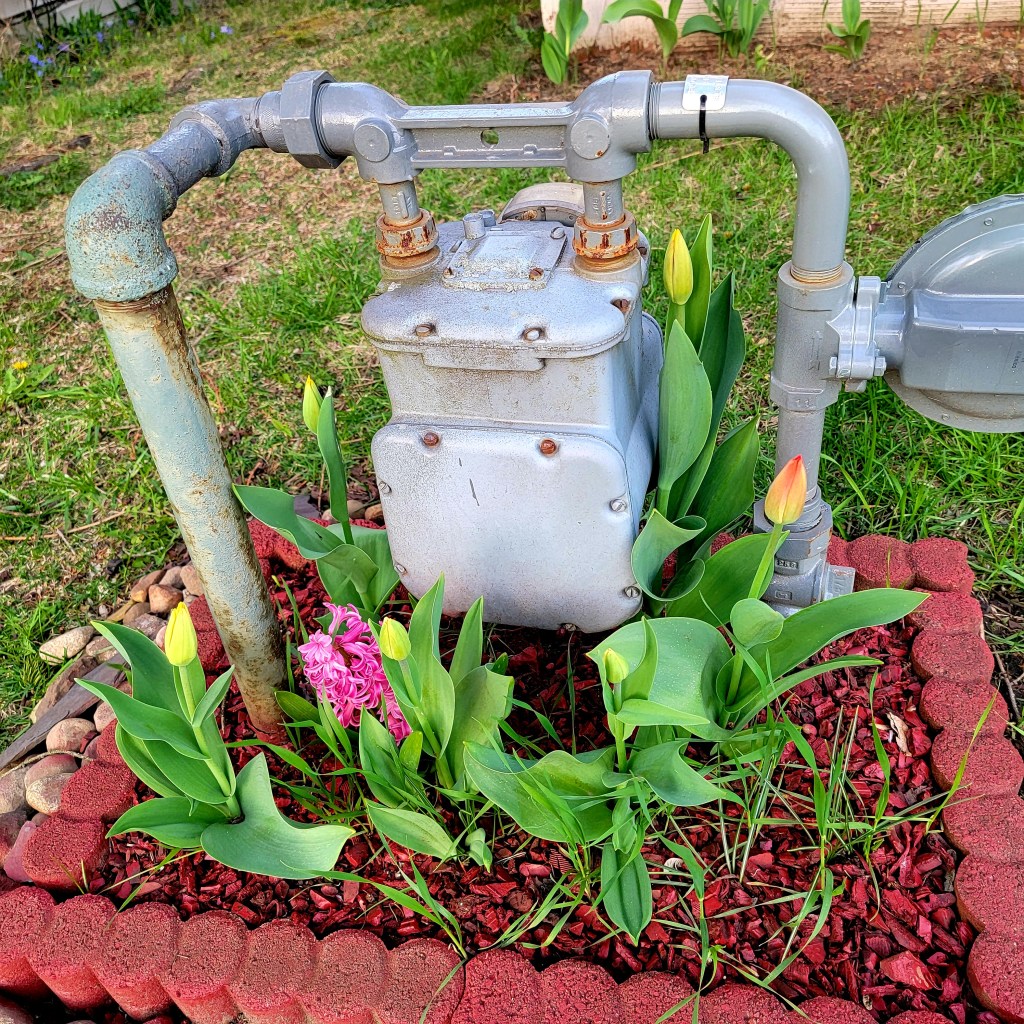
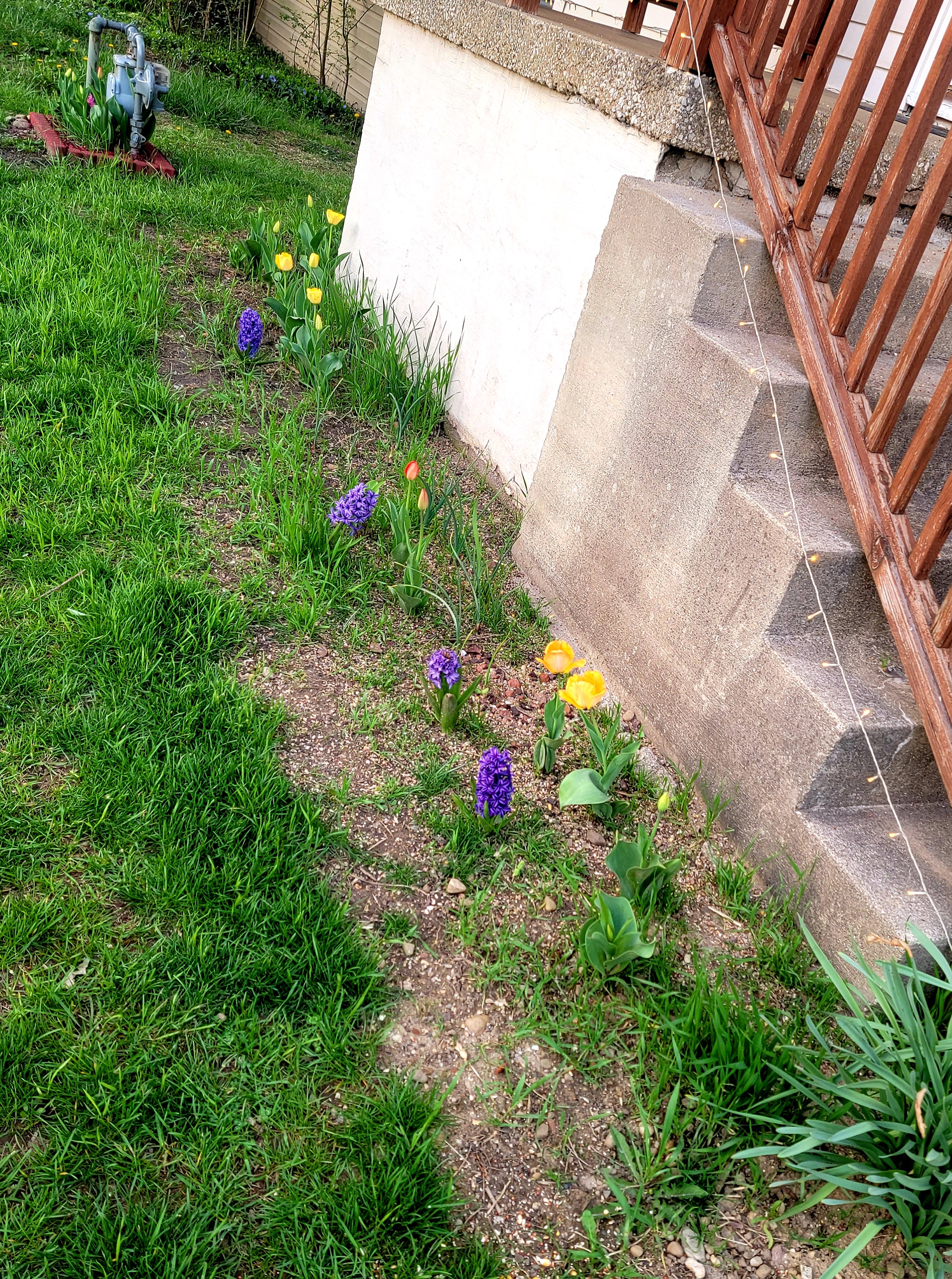
Our gas meter is in our front yard, so we have bordered it and planted tulips around it to beautify it.

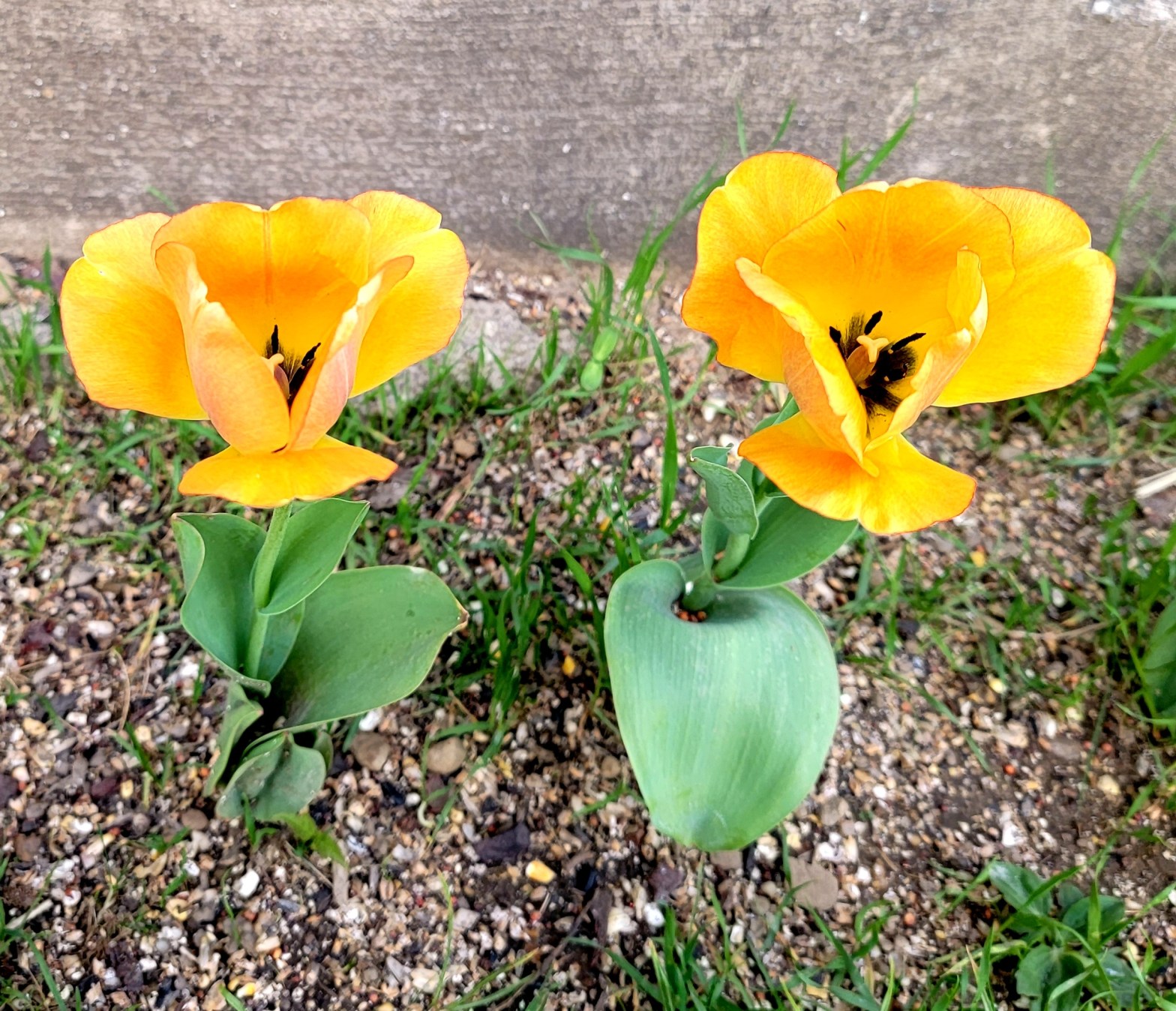
The hyacynth are fragrant and perfuming the whole front of our property, and our tulips are bright pops of color in our front garden beds.
We are feeling renewed and encouraged by our festive Spring growth and energized to begin planting more bulbs and produce for our market garden.
Today we accomplished a multitude of projects, and look forward to week of mild weather ahead of us. A warm, humid week, perfect for germinating seeds.
We planted two dozen gladiolus for a cut flower and leisure garden.
We also planted 21 pumpkin seeds of our favorite varieties; Jarrahdale, Fairytale, Ghost, and Jack.
We planted nearly 50 square feet of wildflower and butterfly and humming bird mix in our front flower beds and a road bordering flower bed.
We have plans to plant at least 150 more gladiolous corms, zinnias, spring garlic, several varieties of squash, melons, tomatoes, peppers, beans and lettuces.
Today was the start of a season’s long project set to end with a beautiful, bountiful harvest.

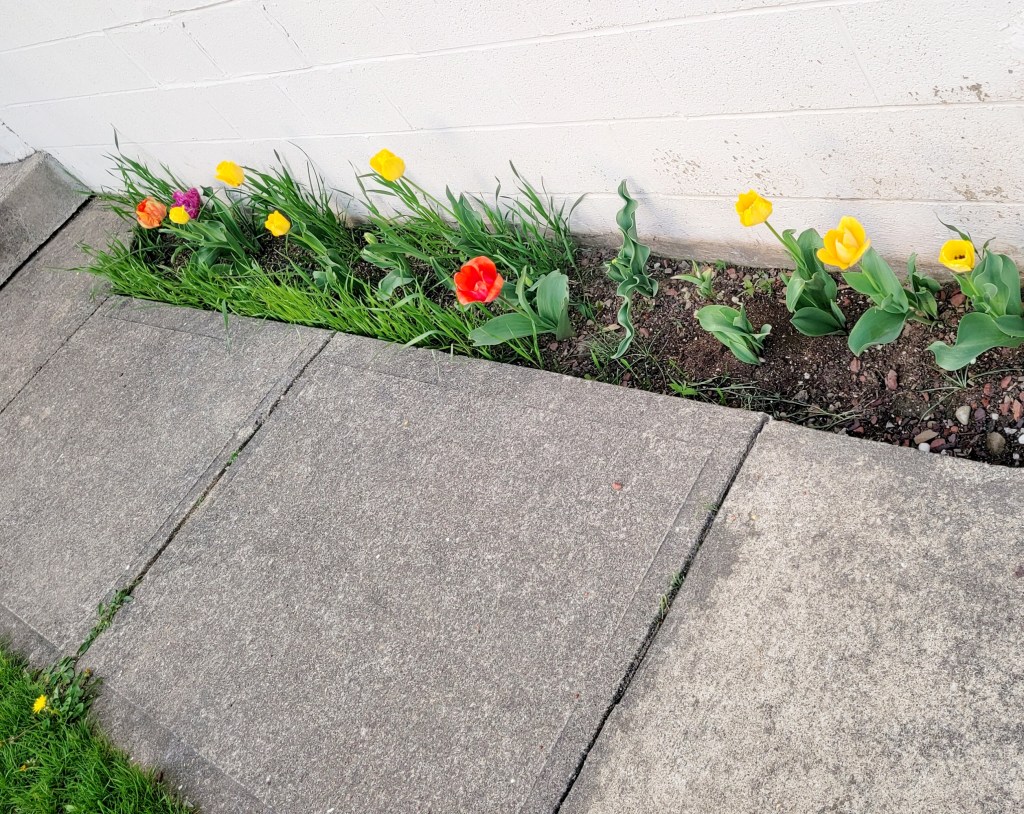
Tulips in our front garden bed.
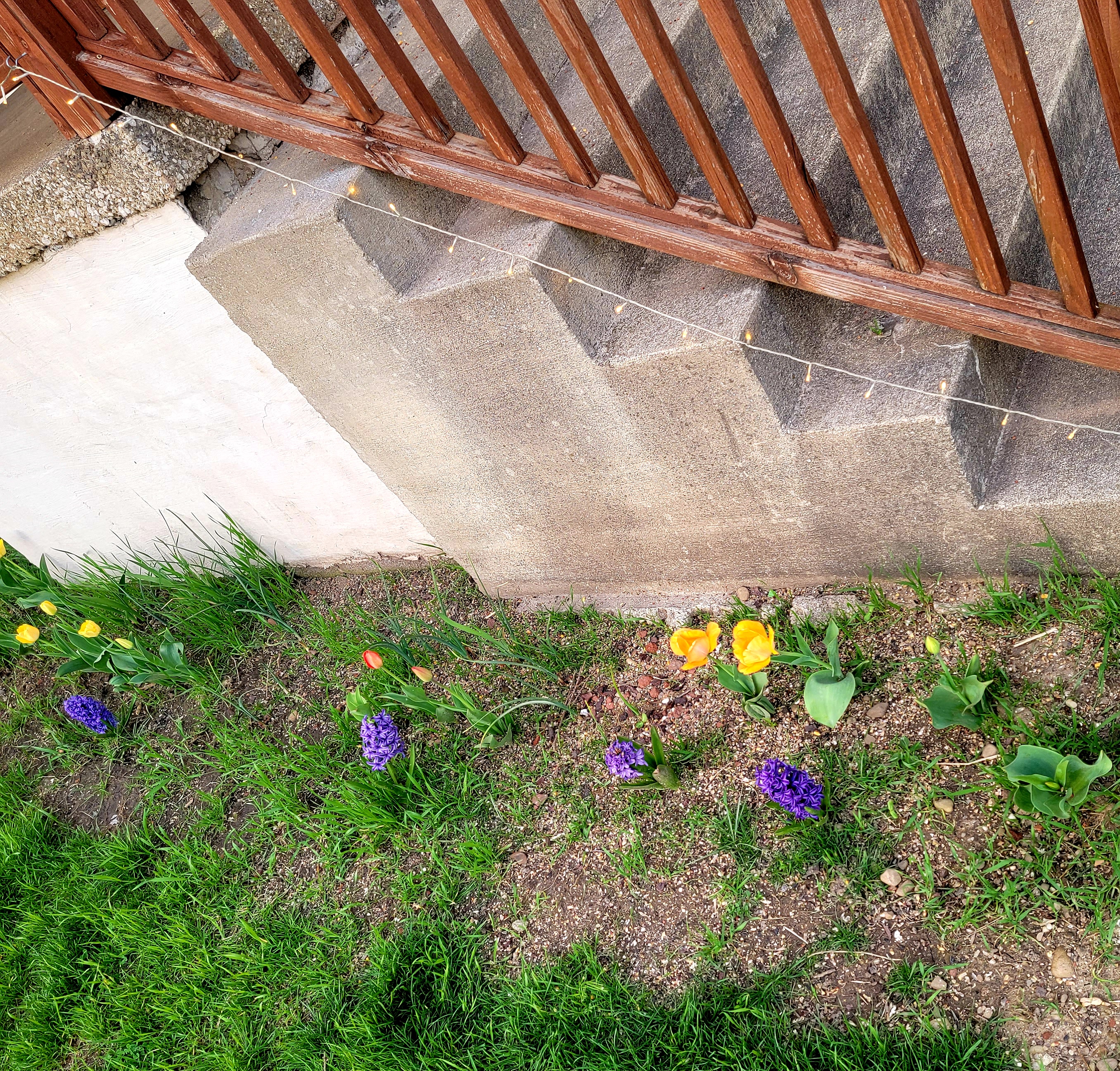
Tulips and hyacyth in our front garden bed. We have wildflower mix planted here.
Featured

Growing Houseplants in the Winter

We love to spend time outdoors and love studying and interacting with the natural world. We love plants as a family. Our older children (ages 2 and 3) love picking up sticks and collecting choice stones and leaves. My husband and I have been gardening together for years, and individually before we met. During this winter we invested in some houseplants that we have cared for all season. A Miracle Grow soil blend has been amazing for our plants, and we have seen some pretty spectacular results start emerging.

More updates to come soon.

Monetizing Houseplants

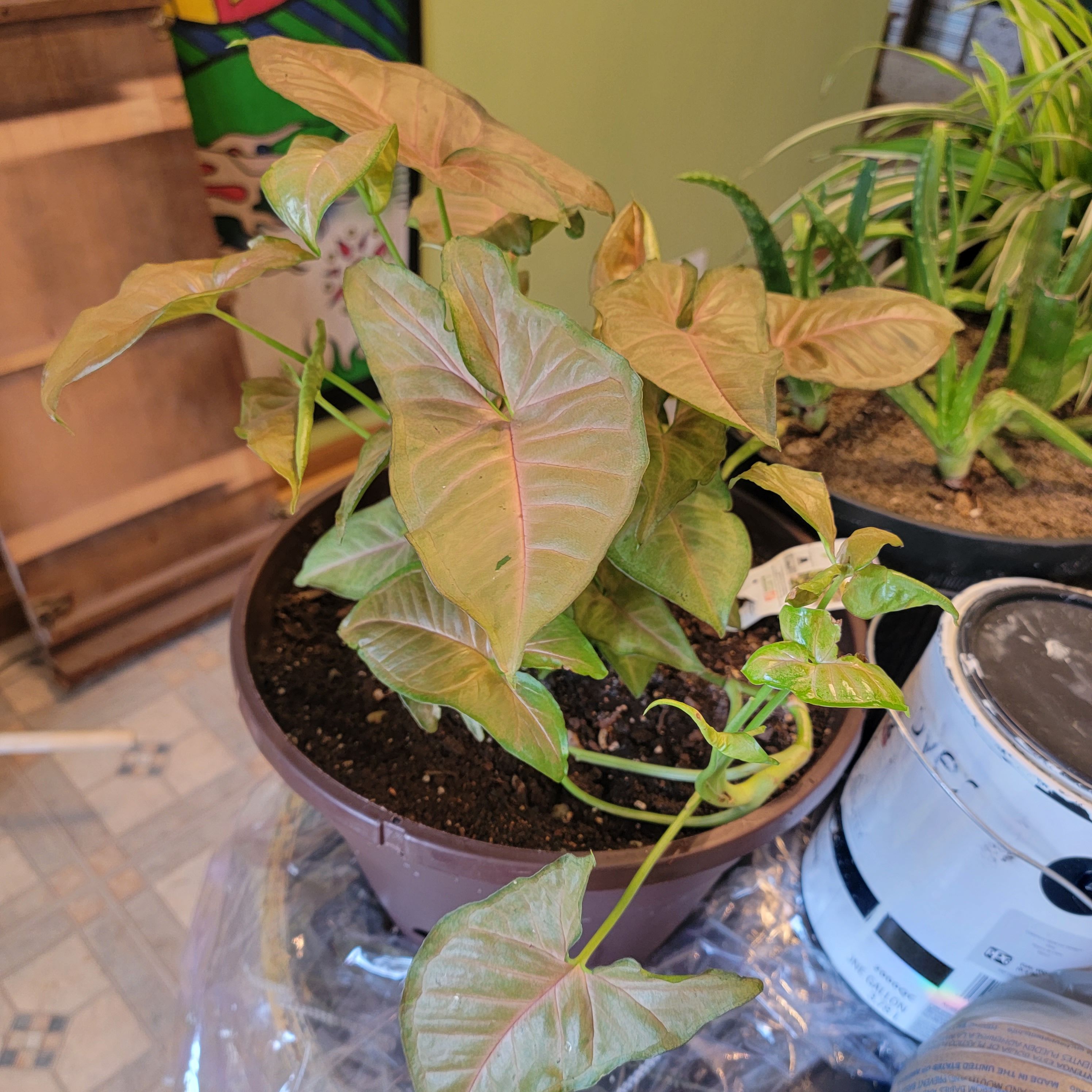
If you keep or have kept house plants, then you know that it is a costly venture. Nothing is ever going to change that, but I can show you how to make the hobby pay for itself. You do not need much to start out with; a few good houseplants,basic gardening tools, some tech knowledge and time.

The best types of houseplants to monetize are:

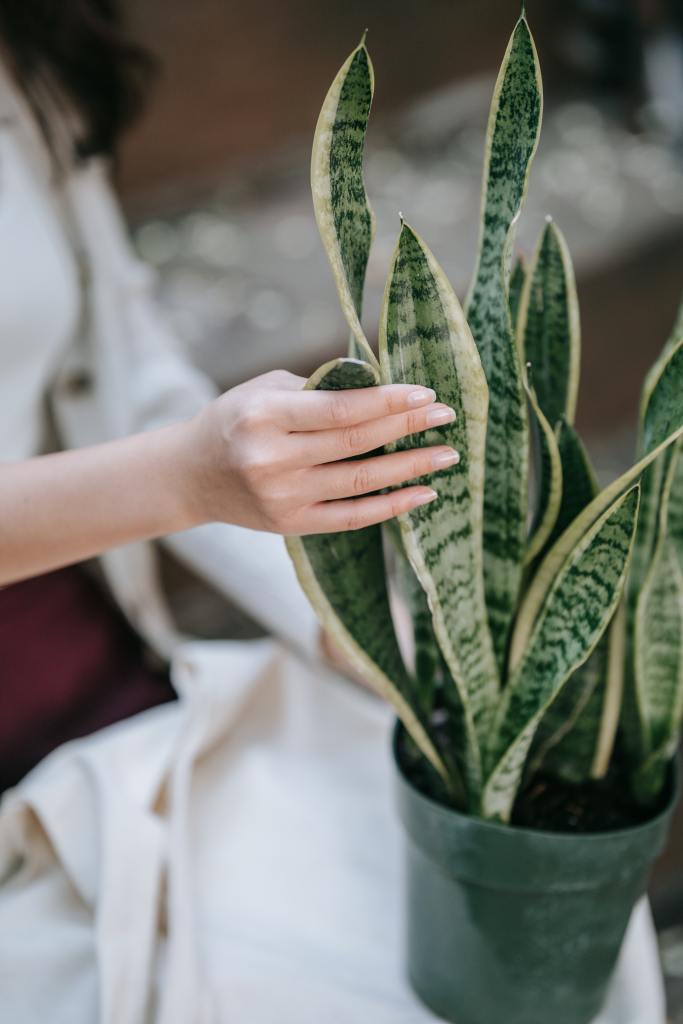
Snake plants: This fashionable house plants is great to make cuttings from, and can easily make you a few bucks in a few years.

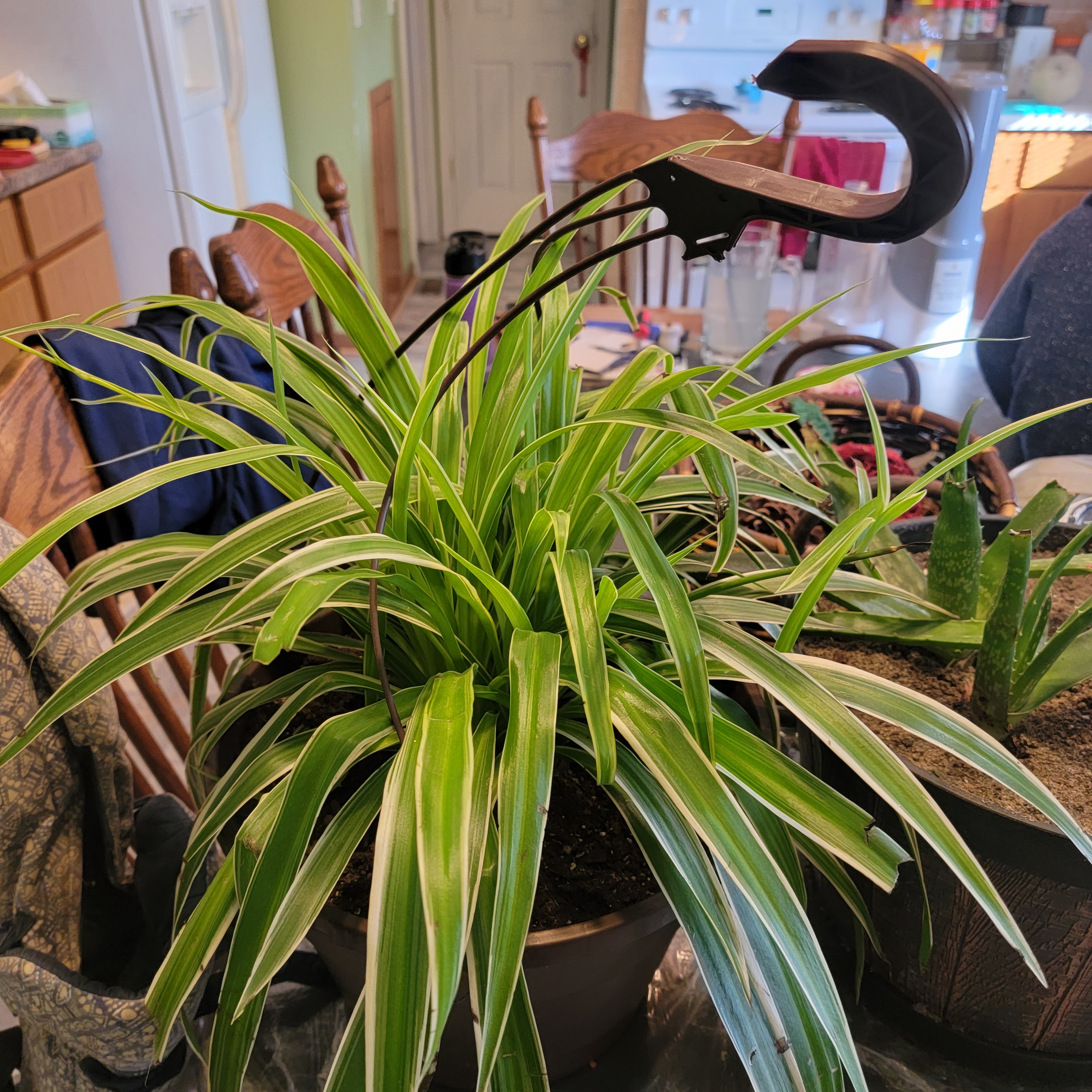
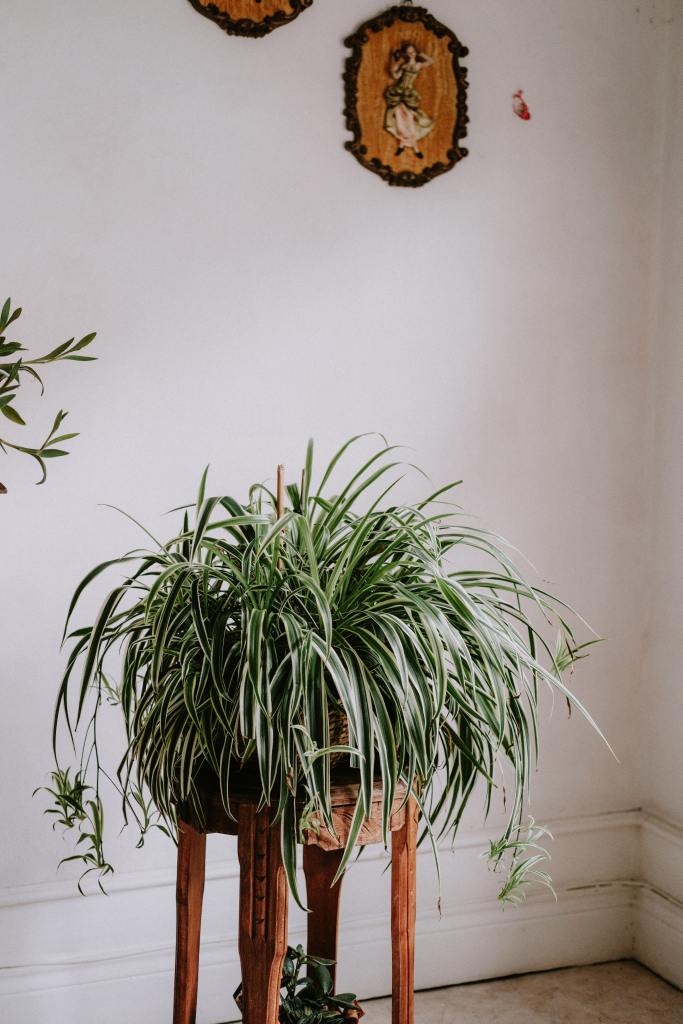
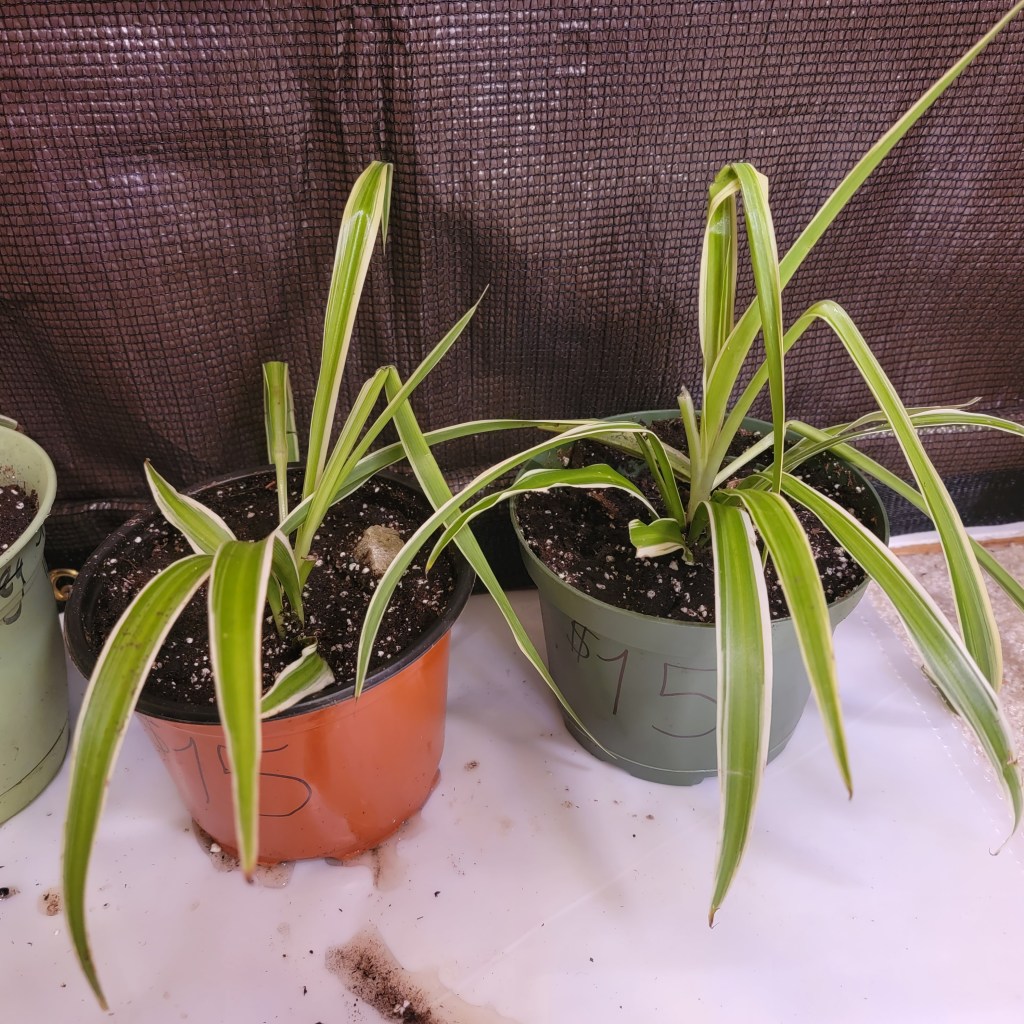
Spider plants: This prolifically self replicating plant is enjoyable to watch and will make babies faster than you can keep up with.

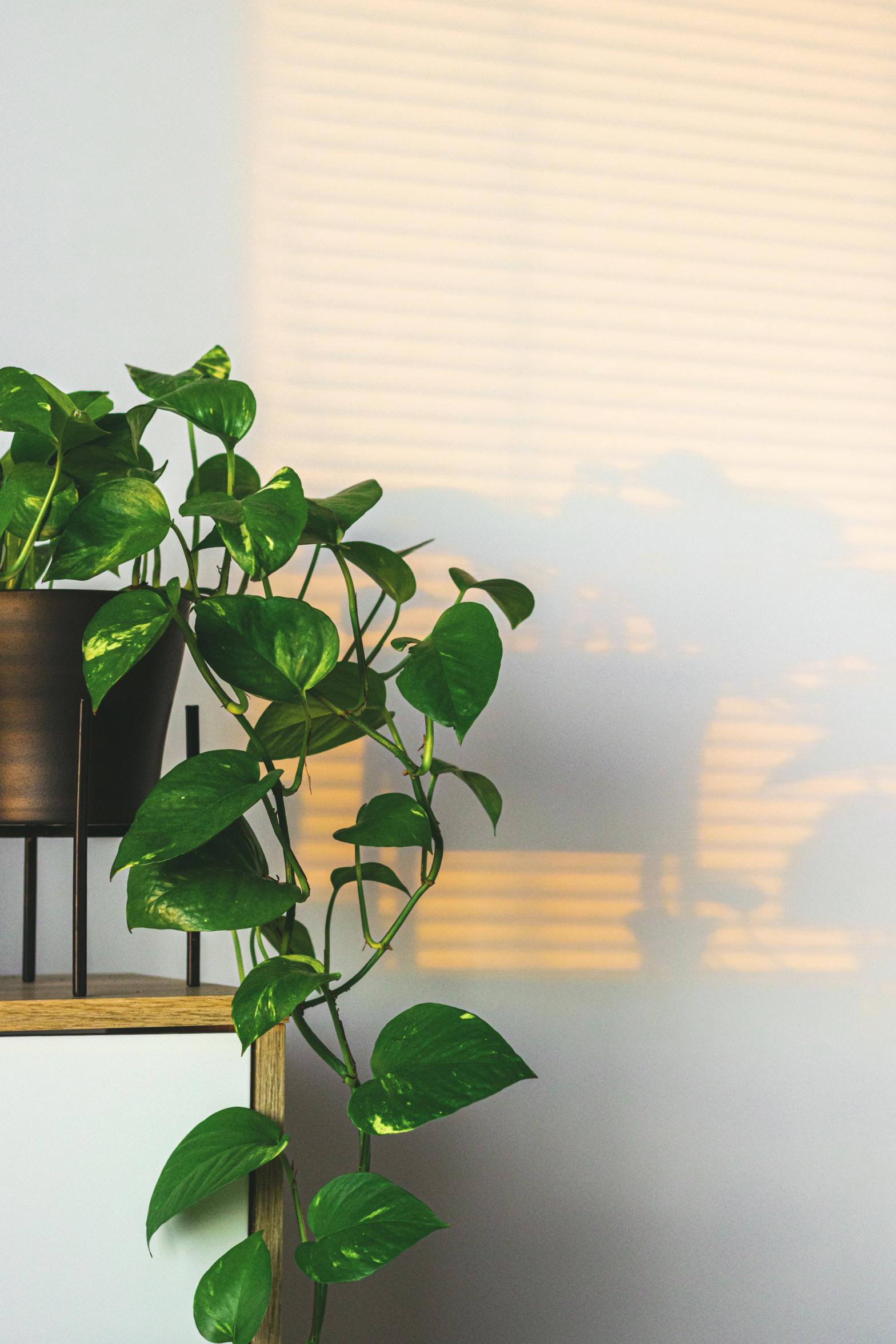
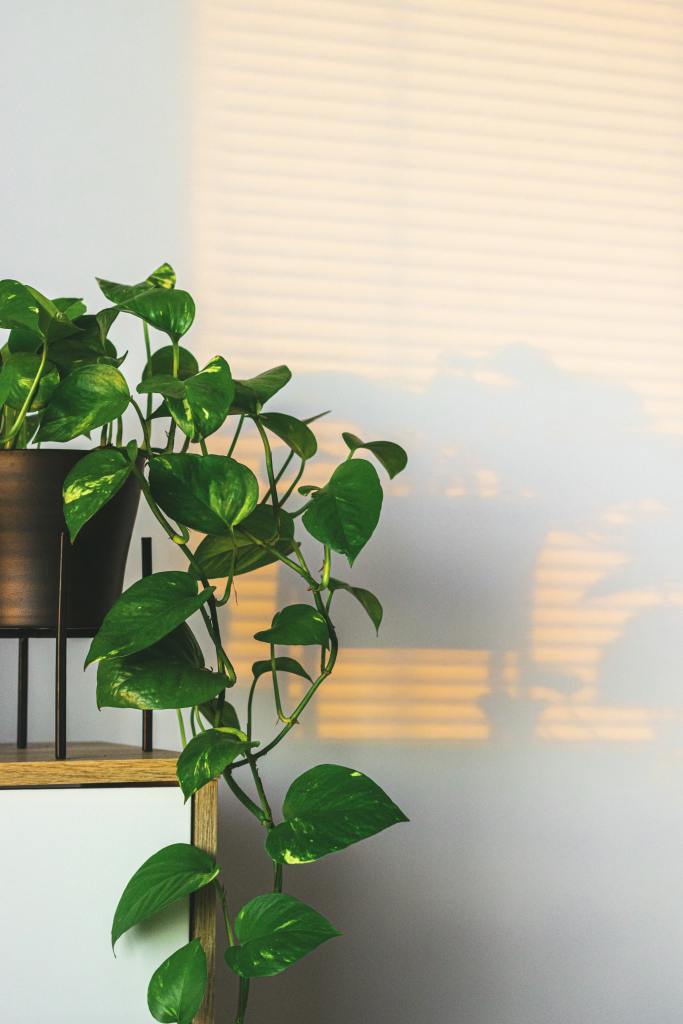
Pothos: All varieties of pothos are quick to vine and the cutting will root quickly in water and when immersed in aquariums.

Succulents: Many succulents will quickly root when you cut them and propagate them in water.

After you cut and propagate your cuttings, you can sell them in a community marketplace, or give them away as gifts. Facebook marketplace and Craigslist are a good place to start to sell your propagated plants.

Some supplies you will need are:

Pots- 4-6″ pots are best to keep on hand. It is best to start out with a dozen or so of these to get you started.

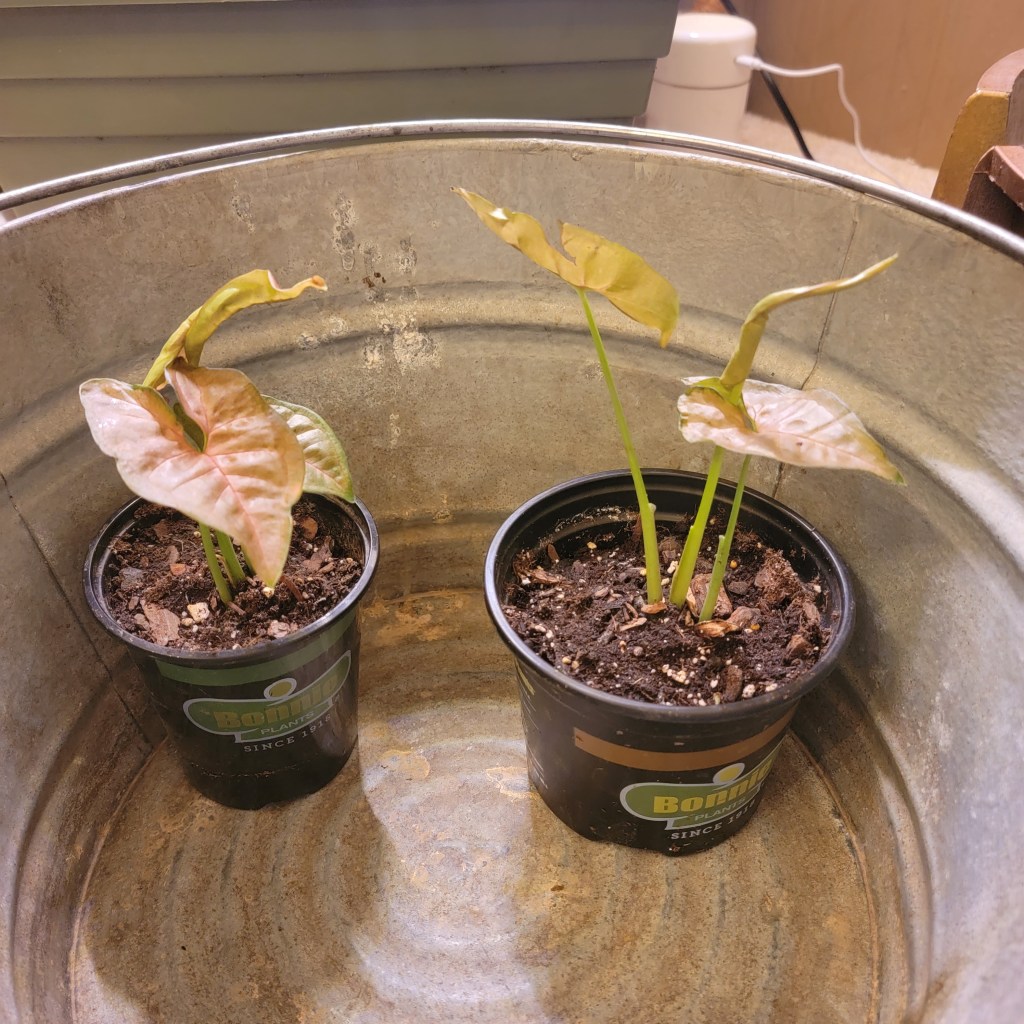
Tubs- Large Rubbermaid shallow tubs are invaluable to have on hand for horticultural purposes. You can fill them with soil to mix, or water to water multiple potted plants at one time.

Soil- Premixed soil specific for your purposes is ideal, but it is also extremely useful to have several types of soil on hand to customize your soil blends. Yo should go for the houseplant blends, which already have the perfect measure of peat, perlite (white volcanic rock), and worm castings to accommodate spider plants and pothos. A cactus blend heavy in peat is great for succulents.

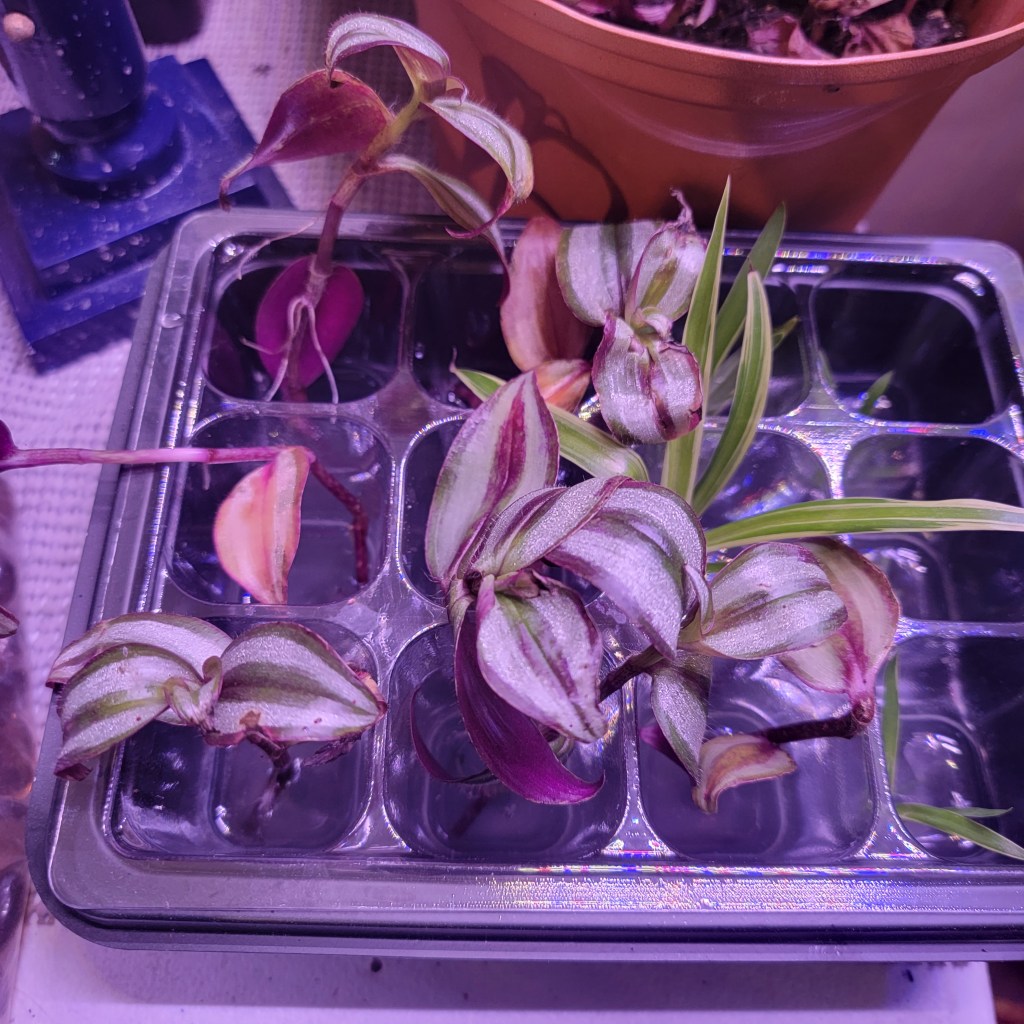
Seed starting trays: These trays are great for starting seeds in peat moss, and also for propagating plants in water. You just put a little water in the base and put plants in each cell.

If you prefer to mix your own soil blends, you will need peat, perlite, and worm castings. You will need a ratio of 2-1 and several handfuls of worm castings. For spider plants and pothos you need a very light soil mixture with the fertilizing worm castings mixed in.

Spider plant propagants are best when they are quite large and have visible roots. They can dry out if they do not have developed roots when you remove them from the mother plant. These do best when planted in a high peat mix and kept moist.

Pothos will respond well when cut and rooted in water. When you are cutting them, be sure to look for root nodules and cut accordingly.

Many succulents may be cut and propagated in water and will root fairly quickly. After they are rooted they do best in a peaty cactus mix.

All propagations will require a bight location or grow lights. Make sure to keep them in light so that can continue to grow and thrive.

After you have them cut, planted and placed them, it is time to photograph them.

Choose a nice clean area with a subtle background and plentiful lighting.

You can adjust the brightness and contrast of your photos to give them more clarity and make them more eye catching.

When you list the plants for sale, make sure to include care instructions such as watering frequency, soil preferences, lighting needs and re-potting times. Most plants will sell for $10-$15 each.

With some time, you can make enough money to support your hobby and share it with friends and family members. Happy growing!

Elderberries for Elder Holiday Company

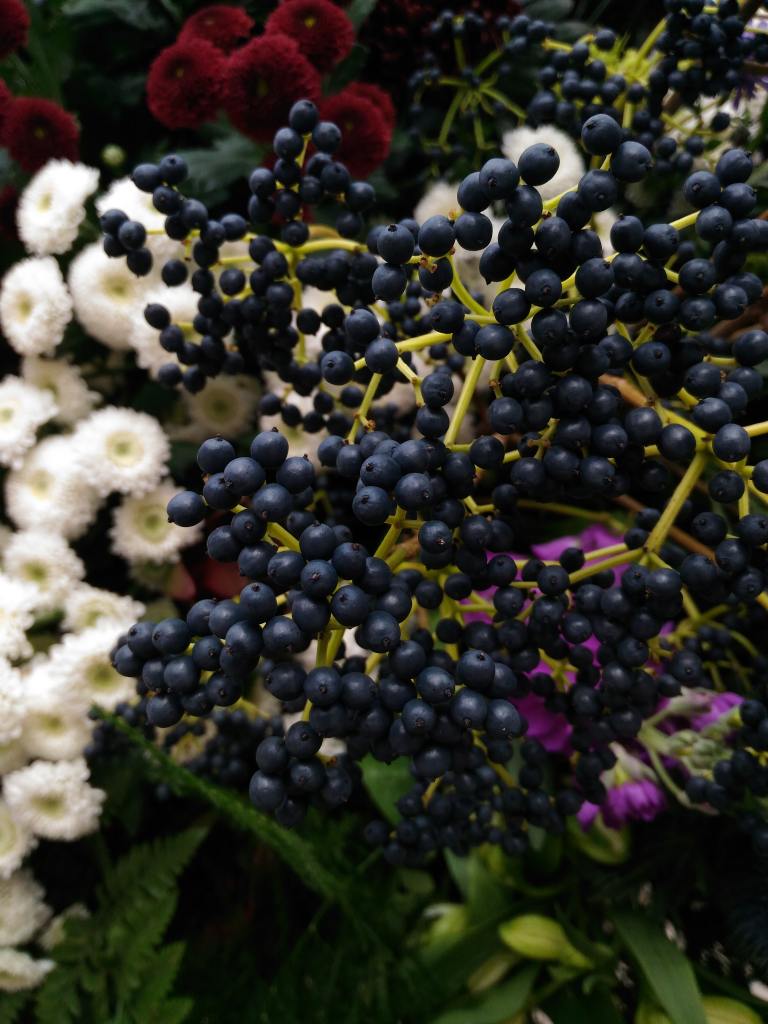
Over 1 year ago we set the goal to start an elderberry farm. The market for sustainably grown elderberries is open in our home state, and we are going all in!

This is exciting for us because we have been learning and planning our homestead for years. Now we will have selected a reliable source of income and product which we can create more herbal products with.

Our elderberry class begins tomorrow February 6, 2023 and we will be learning about elderberry farming in-depth. We are taking Michael Kilpatrick’s online elderberry farming course.

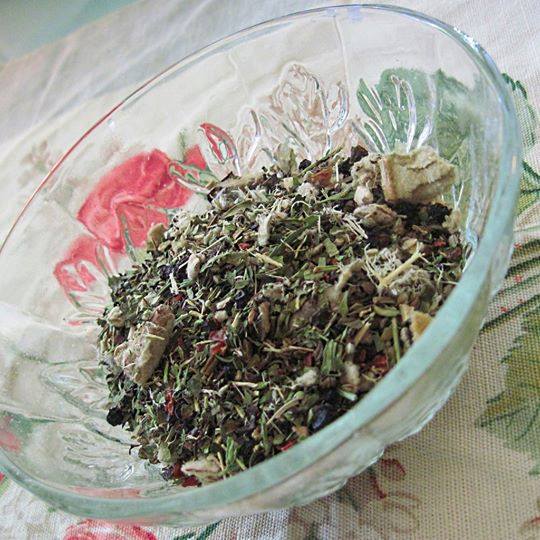
We are very big on the use of elderberries as a family. When we are sick we almost always use an elderberry syrup, or a product containing elderberries. I have frequently used elderberries as an ingredient in my healing teas (above picture). We have also given our children elderberry gummies to keep them well. We have been using elderberries for years and they play a very special role in our life and health.

We have grown a vegetable garden before and plenty of sweet potato vines. Growing elderberry bushes is a new adventure and very exciting for us. It is certainly a growing investment! Pun intended.

I am going to be posting some informational updates on growing elderberries for the remainder of this post.

Day 1 of Elderberry Workshop

I am not going to lie, it was pretty boring. I have a hard time focusing some times, and the content was kind of dry. I get easily overwhelmed by too much information all at once if I do not have time to process it, and there was a lot of information in the first webinar.

My personal feelings aside, it was a very extensive informational introduction. I definitely picked up plenty of cultivating tips throughout the interview. The speaker, Charlie Little, is from a different state than I am (Arkansas) ie a different growing zone, so some of the information is variable.

Charlie had grown figs in the past, so it was easy for him to pick up with Elderberries pretty easily and to apply his fig cultivating knowledge to the growth of Elderberry bushes.

I was intrigued to hear that Charlie had also successfully cultivated wild elderberries into viable producing bushes. All you have to do is look for wild elderberry bushes with desirable traits.

I found this great video on propagating elderberry bushes. It is short and full of great information to get started!

A Return to Agrarian Life

Growing and gathering our own fruit can help ensure a reliable food source and promote self reliability.

Many Americans today have a strong sense of cultural ancestry, but there are many who do not. As I have become more involved and experienced with homesteading and DIY culture, I have begun to see the reason why this discrepancy exists.

I find myself getting excited about things like making homemade marmalades and hand weaving wreaths because I enjoy the homey comfort they bring me.

I did not always have a passion for homemaking.

For me, it started when I began to discover herbal medicines when I began to experience chronic illness in my youth. Then I began to search for home remedies and herbal medicines when I felt the contemporary medical industry had failed me. I began to learn about essential oils and herbal tinctures and teas, and I also began to discover a sense of empowerment that I had never known before. I found I could heal myself from home, all on my own!

It was thrilling and intoxicating, and it began a lifelong journey of discovery which I am still on today.

Soon after that, I discovered gardening, and I began to wonder at the magic of plants. One day they were just seeds, and the next week they were vibrant green sprouts!

I felt enamored to be part of the process that initiated growth and new life.

That was the beginning of my initiation to homesteading, and since then I have discovered a richness and a depth in agrarian lifestyle and culture.

To illustrate this point, think of the song Home on the Range – “Where never is heard, a discouraging word, and the skies are not cloudy all day.” Are some of the lyrics from this song.

A life of homesteading and self sufficiency is demanding and even grueling at times;You have to wake up every day and feed and care for the animals that are depending on you. You also have to collect wood and water every day for survival and daily life. Your needs always need met and you always have to work to meet them, and you must work even harder if you want to grow and prosper.

Within those conditions, you do not have time or energy to spare to be negative. You always have to be on the move, and to be constantly in motion, which promotes a state of optimism and enthusiasm.

When you find yourself chopping wood, you are engaging in the same activities that your ancestors had to engage in to survive. Kindling a fire, preparing a stew, weaving or knitting garments are all activities that bring us closer to our ancestral roots, and give us insight into our cultural heritage.

When people no longer engage in these activities, our minds are not focused in the same way our ancestors’ minds were, and it becomes easy to forget about our cultural inheritance; the wisdom and richness of our ancestors and our cultures.

Today it has become commonplace for people to go out and buy the clothing they need, which a machine knit out of synthetic fiber in a foreign land. When we are hungry, we go to the grocery store or a fast food chain and we buy a finished product that has had to travel many miles to make it into our hands, before the first time we had even touched it. The food and ingedients itself was picked by many other hands, and shipped by others hands and then it had travel miles to get to where we bought it from.

Today almost all people live this kind buy and then throw away kind of lifestyle, and they are oblivious to the ancestral knowledge they have lost and are losing in the process.

So much can empowerment and confidence can be recovered when you knead your own bread and you grow your own fibers weave into your own clothing.

One prominent figure in modern history to realize this was Mahatma Gandhi. India is one of the only countries to have ever succeeded in throwing off the reins of imperial British rule, mostly attributed to the impact and reach of Mahatma Gandhi, and his philosophies. Mahatma Gandhi believed that Indian people could reclaim their power and sovereignty through the methods of self sufficiency and acts of non-violent protest. Gandhi encouraged Indians to grow and weave all of their own clothes, and to boycott imported British fabrics. Through their perseverance and practice of self sufficiency, the Indians were able to expel the British, and remain sovereign to this day.

The power of self sufficiency is starkly illustrated in this example, and it is no less powerful in each of our own lives. We can reclaim our cultural heritage and empowerment by embracing the methods of our ancestors and continuing their traditions and methods of self sufficiency.

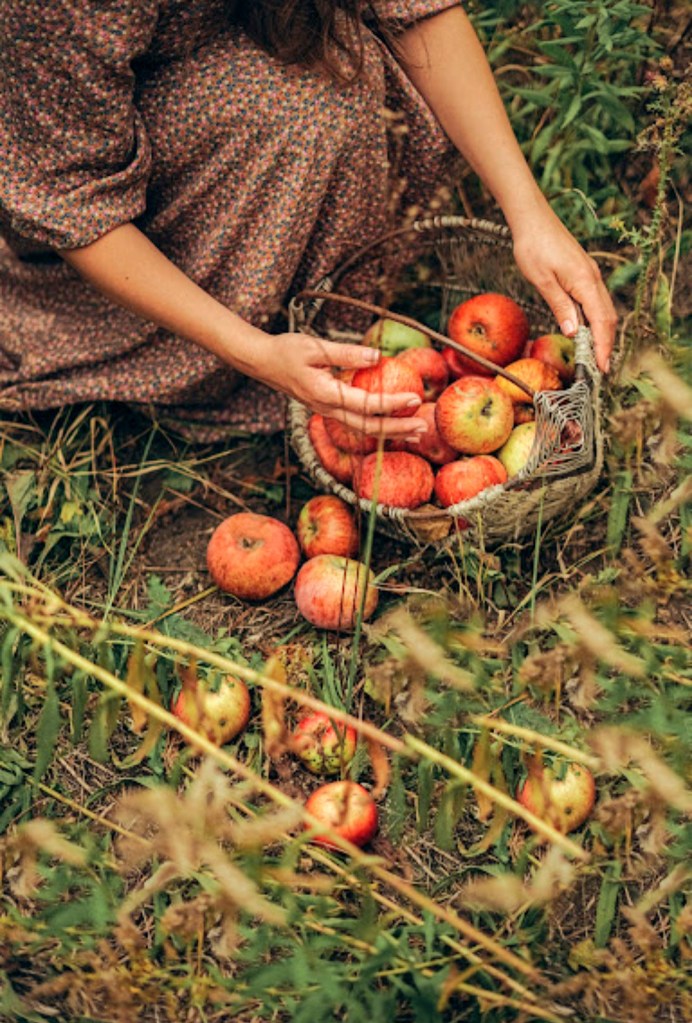
It may seem like a daunting task at first, but small steps accumulate over time. Starting a small family tradition, such as baking an apple pie at Christmas can begin to lay the foundation of ensuring our cultural knowledge and empowerment is passed down through the generations, and most importantly ensure that future generations have solid ground to build upon.

When to Encourage Independant Play

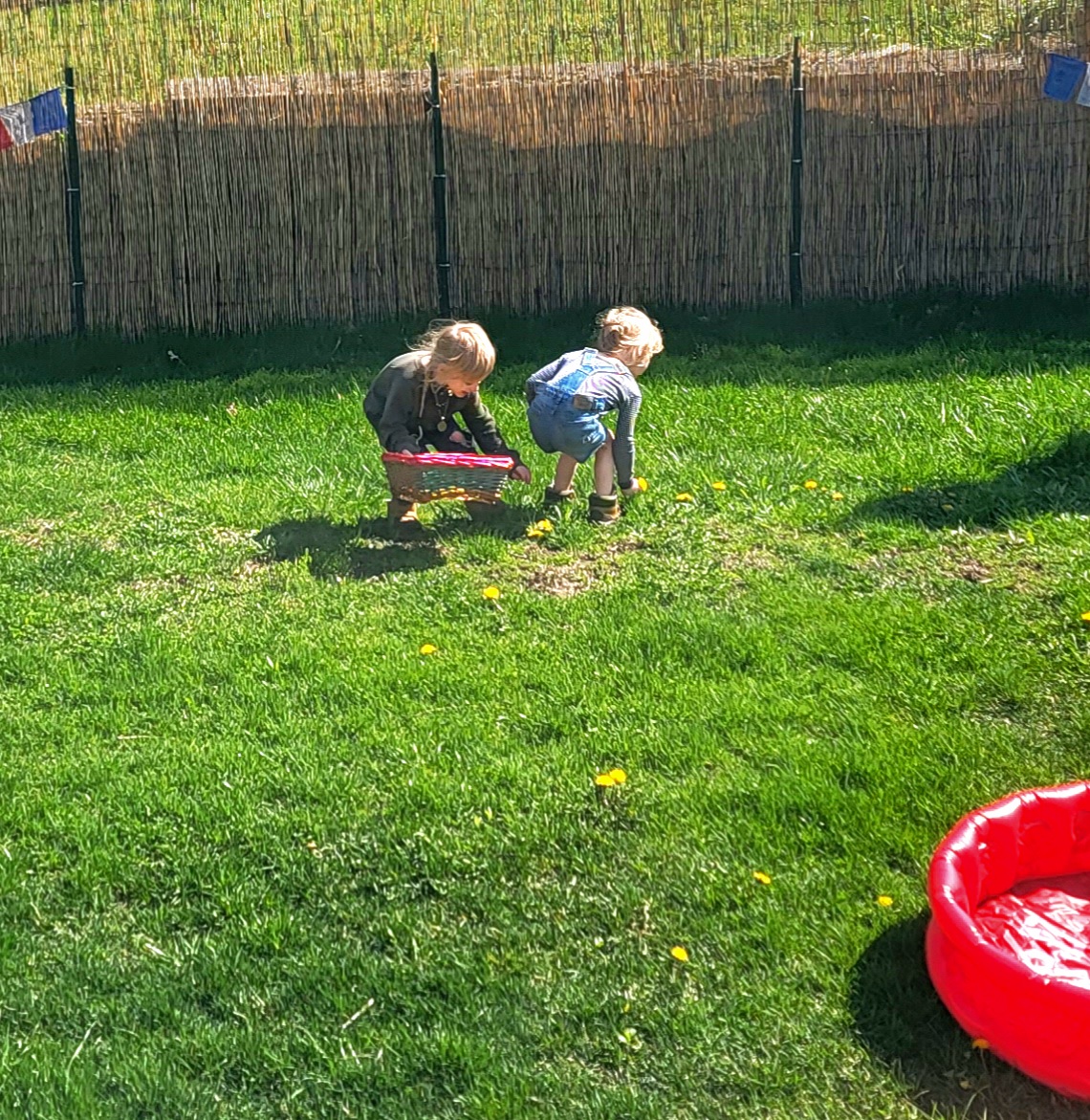
Allowing children the freedom to explore their environment can be liberating for both parent and child.

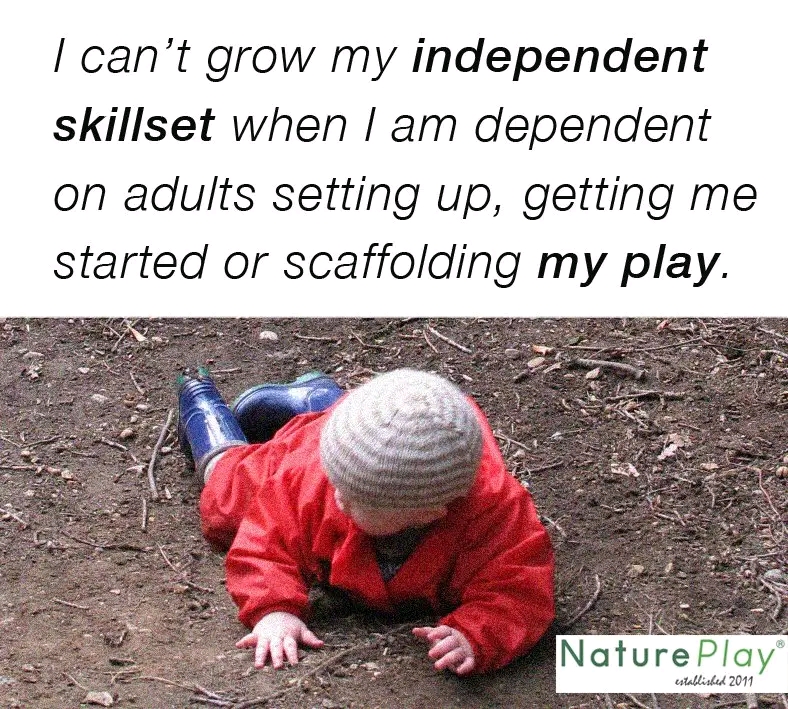
It is always fun to set up an invitation to play for young children. It is enjoyable to encourage the means to an envisioned final product, but what are we doing other than teaching children how to follow directions? Knowing how to follow directions is a useful skill for life, but what about the ability to target and seek self taught skills? How exactly do we encourage children to learn to develop the ability to be self taught?

The important thing to remember is that children will teach themselves how to learn new skills, all we have to do as parents is to allow them the space to do so.

Encouraging free play and introducing new objects to their environment for them to explore independantly are the main ways to give your children space and to trust their inherant abilities.

It can be very rewarding to witness your children independently discover their own skills. At this point you can keep your distance and offer pointers to help your children master their newfound skills.

Example Activity 1:

Set up a space for your children at the kitchen table. Give them playdough or home made salt dough and a few safe kitchen tools that they are unaccustomed to.

Observe them and their explorative play as they try out new tools on the play dough.

Encourage young children with free play (younger children are still developing schemas and self confidence, and may be overwhelmed by too many suggestions). Older children may be receptive to suggestions and prompts about making representative objects out of the play dough, such as a bowl or animal.

Activity Example 2:

Plan a trip to a new playground or activity or enrichment center. It is important to choose a location where children can be hands on and engaged in the environment. When you go, make sure to choose the role of an observer as much as possible. Watch your child as they discover the new environment and discover their ability to explore their environment and enjoy the permission to interact with new things.

It will help you understand your role as a parent in a more concrete, defined way. This can help instill confidence in both you, and your child, as you embrace the security in knowing your role in confidence.

Allowing your child the right to explore can help you rediscover your own enjoyment and permission to explore and embrace your own inner child.

Frasier Fir Christmas Tree

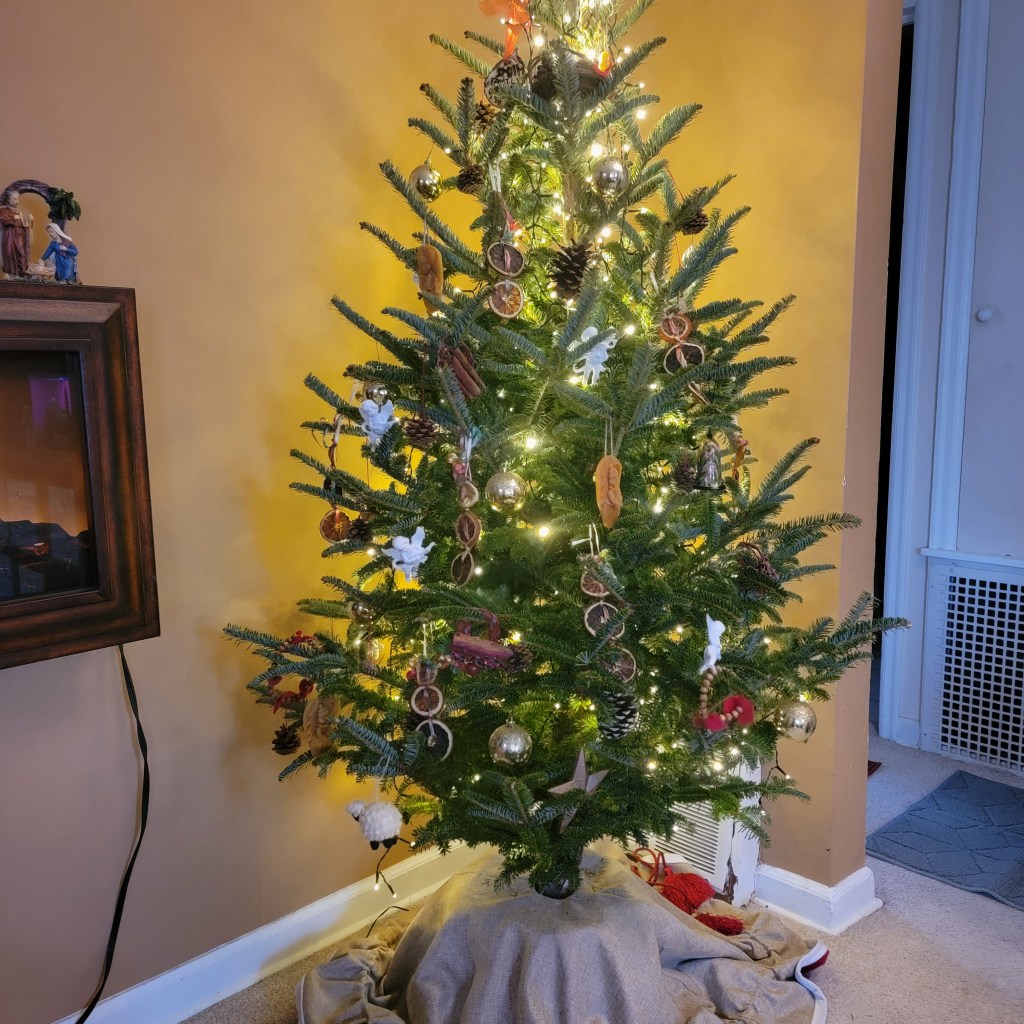
We are really enjoying our Frasier Fir Christmas tree so far.
It is a very fragrant tree, and it took to drinking up water within the first few days of swtting it up.
It has very sturdy branches and lush needles.
My one complaint is that it is pretty sparse of needles toward the top of the tree.
It was a pretty affordable tree and worked well for our budget. We got a great 6′ tree for $85 at Home Depot.
I am currently working on setting up the lights, and I need to drill a hole in the floor to run an extension cord to the basement.

Update:
My husband took care of the hole, and we got our Christmas tree lights up and running.
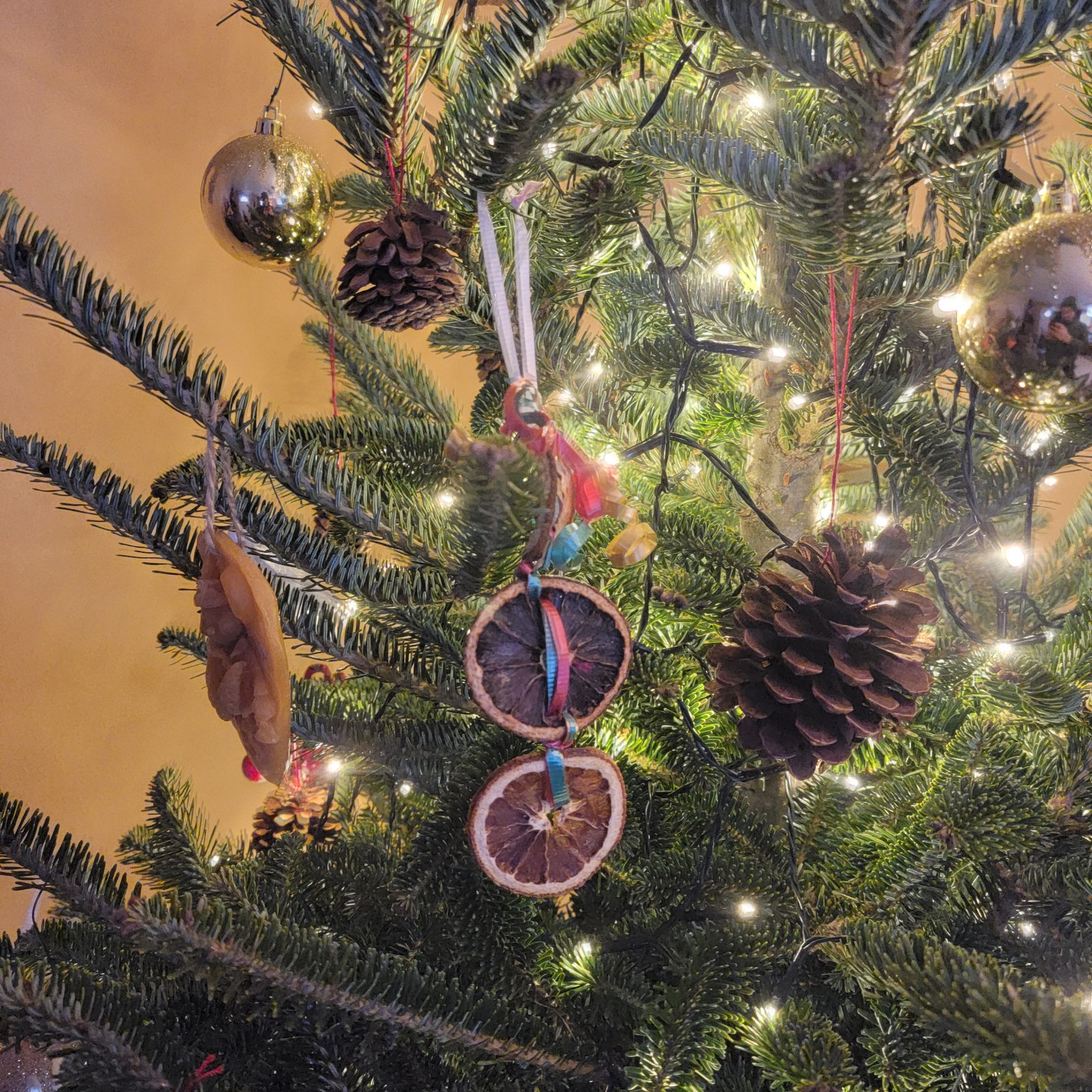
We used ornaments that we have been collecting since last year; dried oranges (that I left in the oven too long), pinecones, handmade beeswax ornaments, handmade beaded ornaments that my children helped me make (kind of), cherubs and cinnamon sticks, ect.


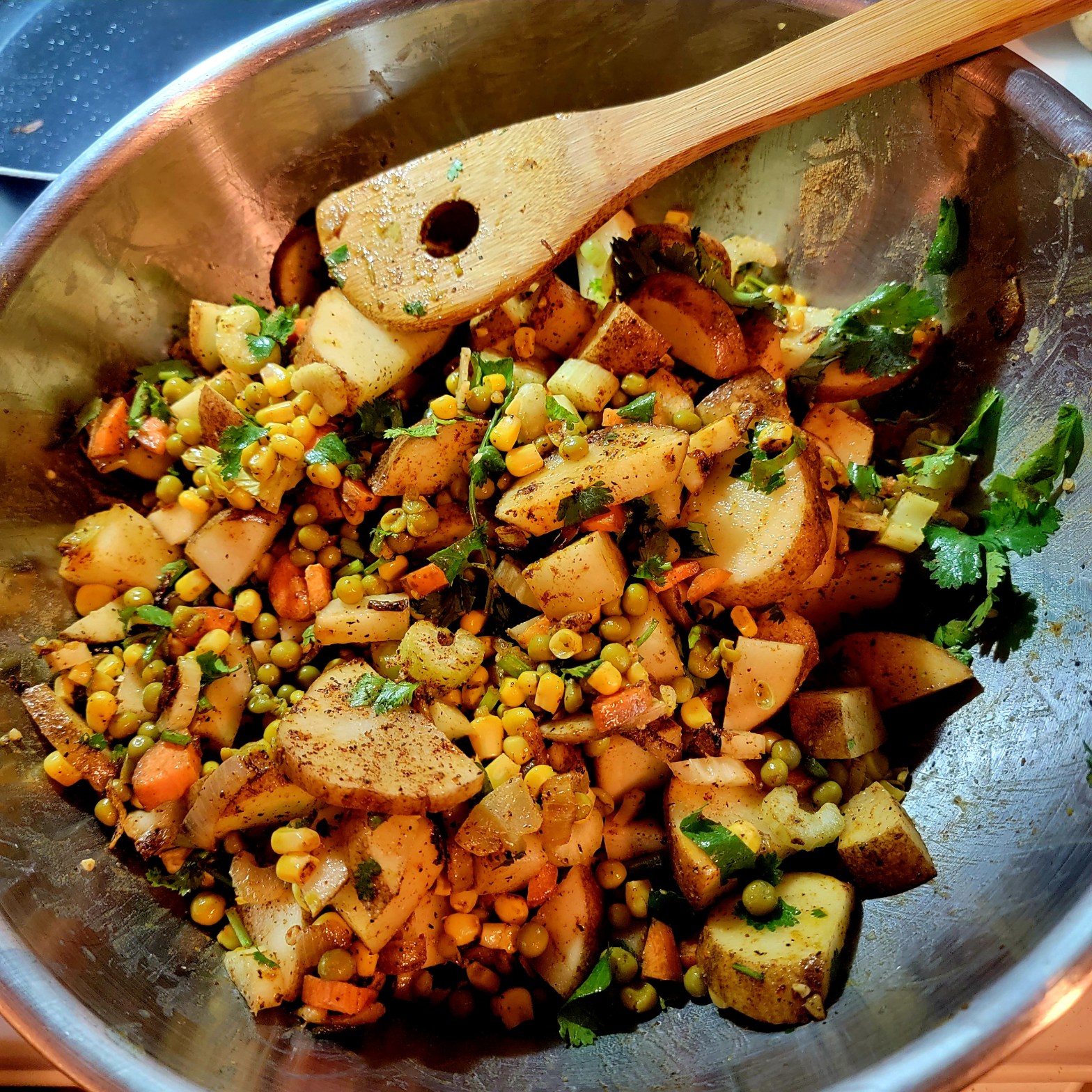
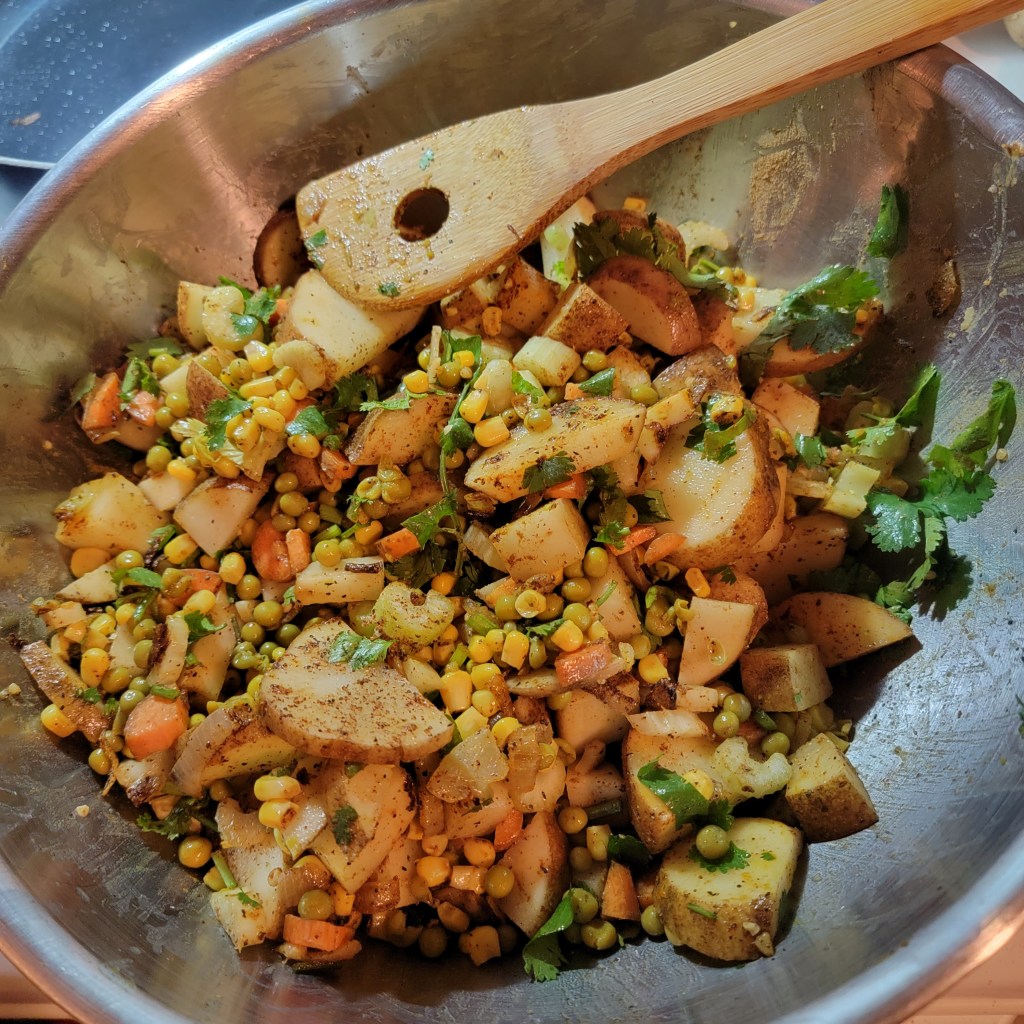
Indian Inspired Dinner

I found some great recipes on Ministry of Curry at http://www.ministryofcurry.com.

I was not able to make them exactly, but I came as close as I could, with some of my own edits.

I made the Air Fryer Tandoori Chicken and the Instant pot Vegetable Biryani. Luckily, I had some ginger and tumeric on hand.

I primarily cook with a European flare, but I also regularly cook Mexican, Italian, and Chinese dishes.

Tonight I was feeling Indian cooking, and it led me to Archana’s website.

Chicken Tandoori
My Vegetable Biryani Inspiration

They are cooking now, so I will post pictures tomorrow of the final product we will enjoy tonight!

Growing a Bird of Paradise Houseplant

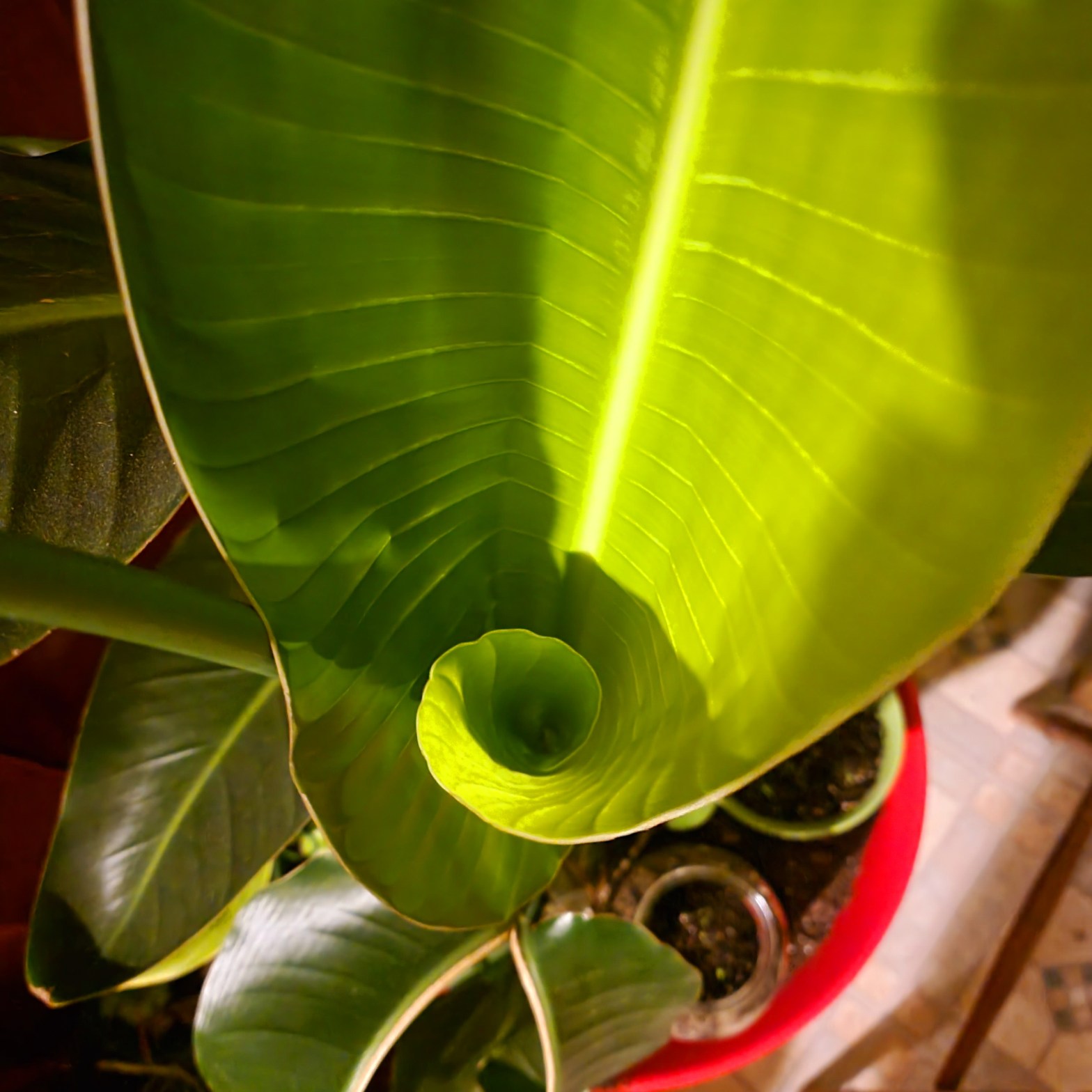
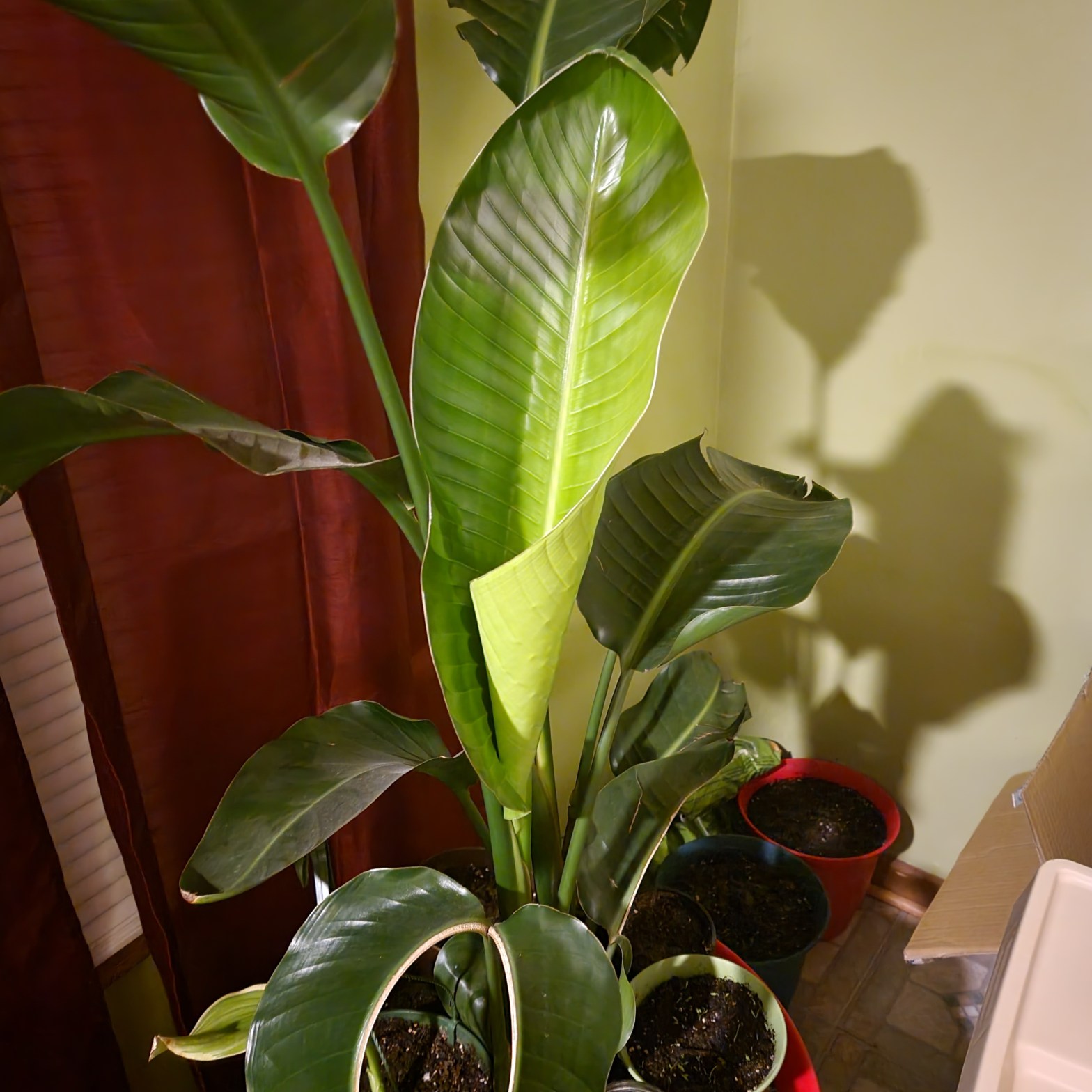
I did some research, and it turns out that our houseplant is a Bird of Paradise. It has another fantastic leaf about to unfurl and it has been growing steadily. I look forward to it’s first flower in greedy anticipation. It will probably be a month or two before it flowers. My husband says that the flowering is probably dependant on the light cycle. I will post about it when I find out for sure.

About the photo:

My toddler split a couple of the leaves near the base, but we are going to trim those off. My husband says that it will encourage the upward growth of the plant, and I look forward to it.